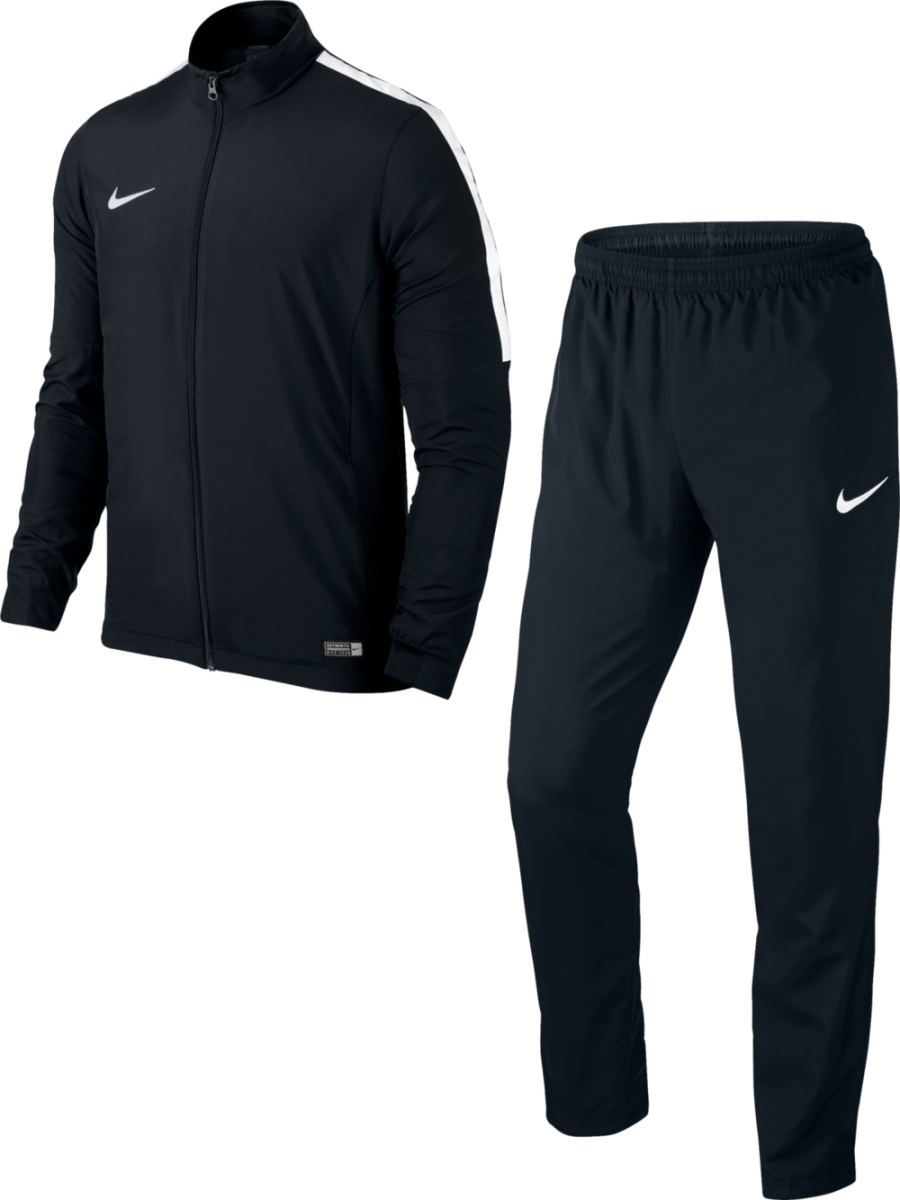
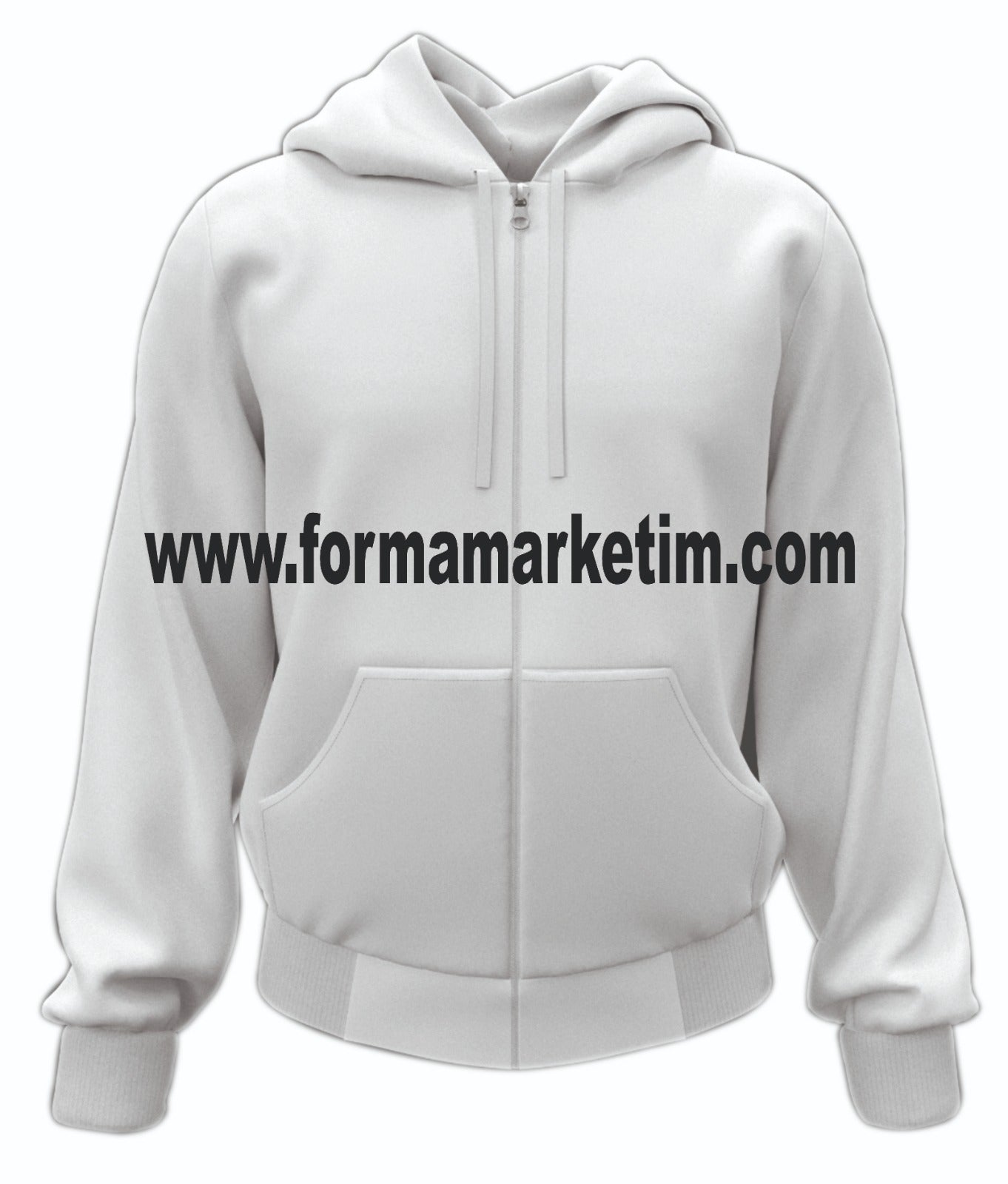
Custom-designed school uniforms aim to provide a look planned in line with the school's colors and intended use. A simple layout might be requested for daily wear, while more prominent patterns and number areas might be desired for sports teams. When submitting a design request to Forma Marketim, besides describing the preferred look, specifying which details must absolutely be included helps the work progress more clearly.
Determining the intended use of the design
A school's daily top, physical education uniform, and competition attire have different needs. At the start of the design process, where the product will be used must be explained. The same density of patterns or size of lettering may not be required for every use. When the institution's clothing preferences and the sports team's needs are explained together, functional distinctions can be made while maintaining a common identity across different products.
Balancing color and pattern
The roles of the primary, secondary, and accent colors can be defined. Using too many colors with the same intensity may cause the school logo to recede into the background. If a lively pattern is desired, calmer areas can be left for the text. For products that will be used alongside existing school clothing, color references should be shared, and it should not be assumed that screen tones match the actual fabric exactly.
Considering the front and back together
A pattern that looks good on the front may complicate the name and number area on the back. Design integrity should be evaluated by examining both sides together. The compatibility of details near sleeves, side panels, and seams with the actual product cut should be questioned. A layout where the logo, school name, and number do not overlap makes both the appearance and the readability of the information easier.
Using reference images correctly
A uniform example you like can be shared to explain color or pattern direction. However, another school's or club's emblem should not be carried over to the new design. Logos and texts that your school is authorized to use should be the basis. Clearly stating which details in a reference are liked creates a more understandable design request than simply asking for the entire design to be copied.
Moving from design approval to ordering
In the final visual, spelling, colors, emblems, and number areas are checked. It must be known which model and size group the sample visual represents. If the product pattern or printing method changes, how the visual is affected will be discussed separately. You can clarify feasible options and order scope by sharing your custom school uniform request along with quantities and target usage dates.
Consolidating changes in a single approval file
Revisions regarding color, text, and layout on a design can accumulate across different messages. Before the final order, it is useful to check against a single visual that incorporates all changes. Date or version information showing that the file is current can be used. A separate, definitive list should be kept for names and numbers. To prevent the wrong design from being taken as a production reference, the approved visual should be clearly specified. This order reduces the need to repeatedly discuss the same details between the school representative and those evaluating the design, making the final look more concrete.
Custom design approval checklist
- Intended use and model of the product
- Primary colors and pattern density
- Logo, school name, and number area
- Final approved front and back visual
Does the design visual show the actual product exactly?
Screen color and visual presentation may differ from the appearance on the fabric. The model, color reference, printing method, and, if possible, a sample application should be evaluated together.
Submit your request to Forma Marketim
You can send the products you are considering for your school, approximate quantities, and usage dates to formamarketim@gmail.com. Clarify details on models, sizes, applications, and current quotes together before ordering.