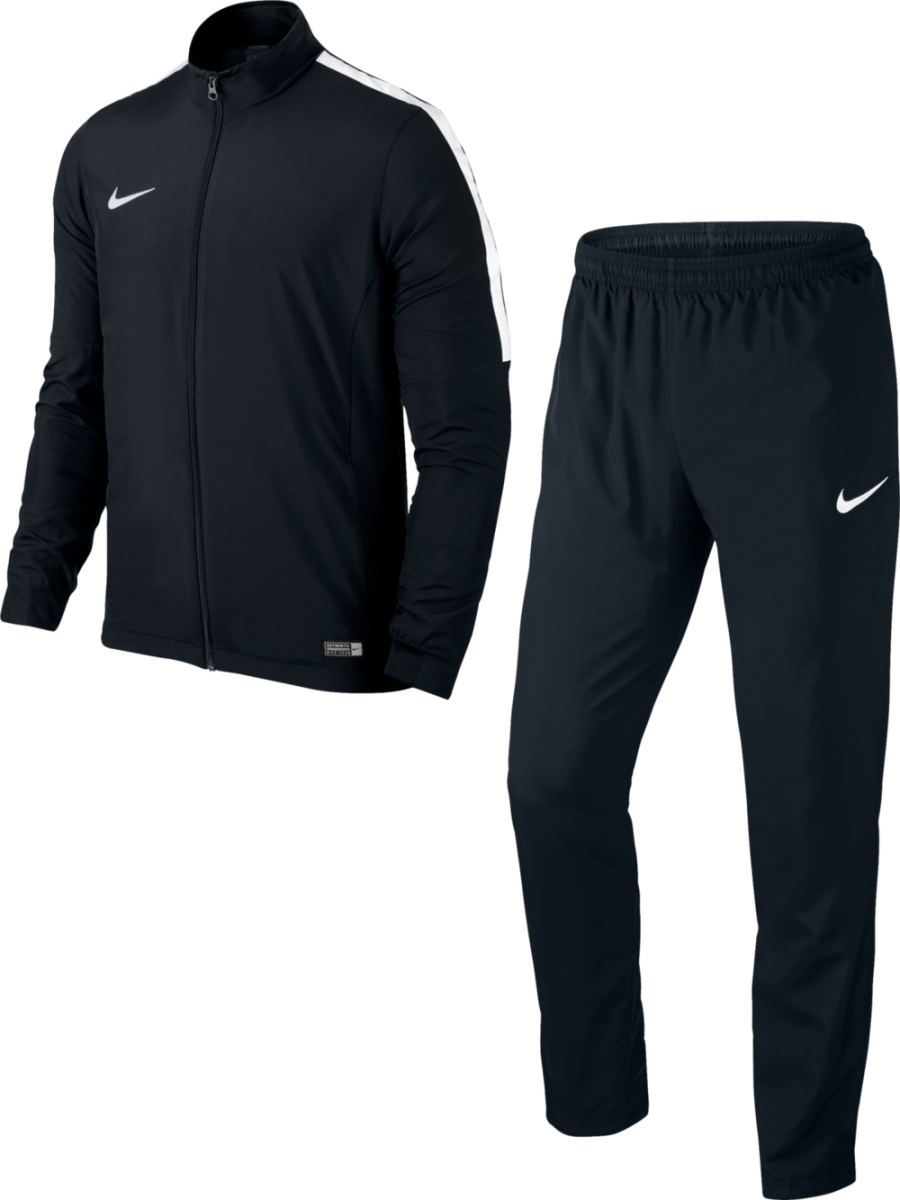
Bulk school uniform ordering requires gathering information as accurately as buying a large quantity of the same product. A small mistake in sizes or models on a list prepared for hundreds of students can complicate the distribution phase. When sending your bulk uniform request to Forma Marketim, sharing the product type, size quantities, colors, and target usage date via a single, definitive list makes it easier to understand the scope.
Grouping products into separate lines
Different items such as daily t-shirts, sports jerseys, and tracksuits should be defined separately. Having the product name, color, size, and quantity on each line ensures that the total is calculated correctly. If there is more than one design, the design code can be added. Writing the same size with age in some rows and letters in others creates confusion; a common sizing system should be determined before the list is completed.
Finalizing the size list
Instead of automatically using the previous year's measurements for a bulk order, a current check should be performed. If possible, the sample size of the selected model or the actual measurement chart is taken as a basis. When merging different lists from parents or class representatives, duplicate entries must be cleared. Setting a final check date reduces the risk of constantly changing demands being confused with the final list going into production.
Comparing offers within the same scope
One offer might include only the top uniform, while another might include a set with shorts and printing. Therefore, comparing unit prices alone is not sufficient. Fabric information, personalization, number of pieces, tax, and shipping scope should be clear. It should also be asked whether extra sizes or extra prints are priced differently. Comparison only becomes meaningful with equivalent product definitions.
Separating design and quantity approval
Approval of the visual does not mean that the size list is also correct. First, the school name, logo, and colors are checked; then the product and size quantities are verified. In cases where a design will be used in different groups, it should be clearly written which group receives which model. Keeping approved files together helps prevent verbal details from being lost or outdated lists from being used.
Receiving and distribution control
When the order arrives, the box contents can be compared with the final list. If the product type, size, quantity, and personalization check is done before distribution, missing or mixed pieces are noticed earlier. If packaging by class or campus is required, its feasibility should be asked in advance. You can convey your bulk school uniform needs to Forma Marketim to discuss the quantity, product, and delivery scope.
Setting up a sample order record correctly
Let's consider a hypothetical class order requesting daily t-shirts and sports tops. Instead of writing both products in a single total, sizes and quantities are listed under separate product names. If a spare t-shirt is also being bought for the same student, this extra quantity is included in the daily t-shirt group. If colors are different, they are specified separately. Such an arrangement shows how many products are actually needed, regardless of how many students there are. By comparing the order total with the total of the product groups, missing or double-added lines can be checked.
Columns for the bulk order table
- Product name and model code if applicable
- Color and design group
- Size code and final quantity
- Class or campus to be distributed to
Is it enough to report the total number of students?
It is not enough. Product types, sizes, and the quantity requested for each product are required. If there are spare parts and different designs, these should also be specified separately.
Send your request to Forma Marketim
You can send the products you are considering for your school, approximate quantities, and usage date to formamarketim@gmail.com. Clarify model, size, application, and current offer details together before ordering.